
How Long Does a Garage Door Last? Signs It's Time for a Replacement
Introduction
A garage door is one of the most used parts of any home, yet it is often the least noticed—until something goes wrong. Most homeowners only start thinking about it when it becomes noisy, slow, or unreliable.
Understanding how long a garage door lasts helps you plan ahead and avoid sudden breakdowns or expensive emergency repairs. A well-maintained door can serve you for many years, but eventually, wear and tear becomes unavoidable.
In this guide, we’ll break down the average lifespan of garage doors, warning signs of failure, and when it makes more sense to replace rather than repair.
What Is the Average Garage Door Lifespan?
If you are wondering how long do garage doors last, the answer depends on several factors, but on average, a residential garage door lasts between 15 to 30 years.
However, this range is not fixed. Some doors fail much earlier due to poor maintenance, while others last longer with proper care.
Daily usage plays a major role. A garage door that opens and closes multiple times a day will naturally wear out faster than one used occasionally. Environmental conditions also matter—hot, dry climates or areas with dust can shorten its life.
So while there is an average expectation, real-world performance varies significantly based on usage and maintenance habits.
Understanding Garage Door Lifespan Factors
The actual garage door lifespan depends on a combination of materials, environment, and maintenance.
Steel doors tend to last longer because they are durable and resistant to damage. Wooden doors, while visually appealing, require more upkeep and are more prone to warping or moisture damage. Aluminum doors are lightweight but can dent more easily.
Maintenance habits also play a major role. Regular lubrication, inspection, and minor adjustments can significantly extend the life of the system. Neglect, on the other hand, accelerates wear.
Climate is another important factor. Extreme heat, cold, and dust exposure can all reduce durability over time, especially if the door is not properly sealed or maintained.
Installation quality is often overlooked but equally important. A poorly installed door will wear unevenly and fail earlier than expected.
When to Replace Garage Door Instead of Repairing It
Knowing when to replace garage door is crucial for avoiding repeated repair costs.
If your door is constantly breaking down, requiring frequent repairs, or becoming unreliable, replacement may be more cost-effective in the long run. Another key factor is safety. Older doors may not meet modern safety standards, putting your home and family at risk.
Energy efficiency is also worth considering. Older doors often lack insulation and proper sealing, which increases energy loss and utility bills.
In many cases, homeowners spend more on repeated repairs than they would on a full replacement. That’s why evaluating long-term cost is important before deciding.
Old Garage Door Signs You Should Never Ignore
There are clear old garage door signs that indicate your system is reaching the end of its life.
One of the most common signs is excessive noise. If your garage door has become louder over time, it may indicate worn rollers, springs, or hardware. Another warning sign is uneven movement or sagging sections, which suggest structural weakening.
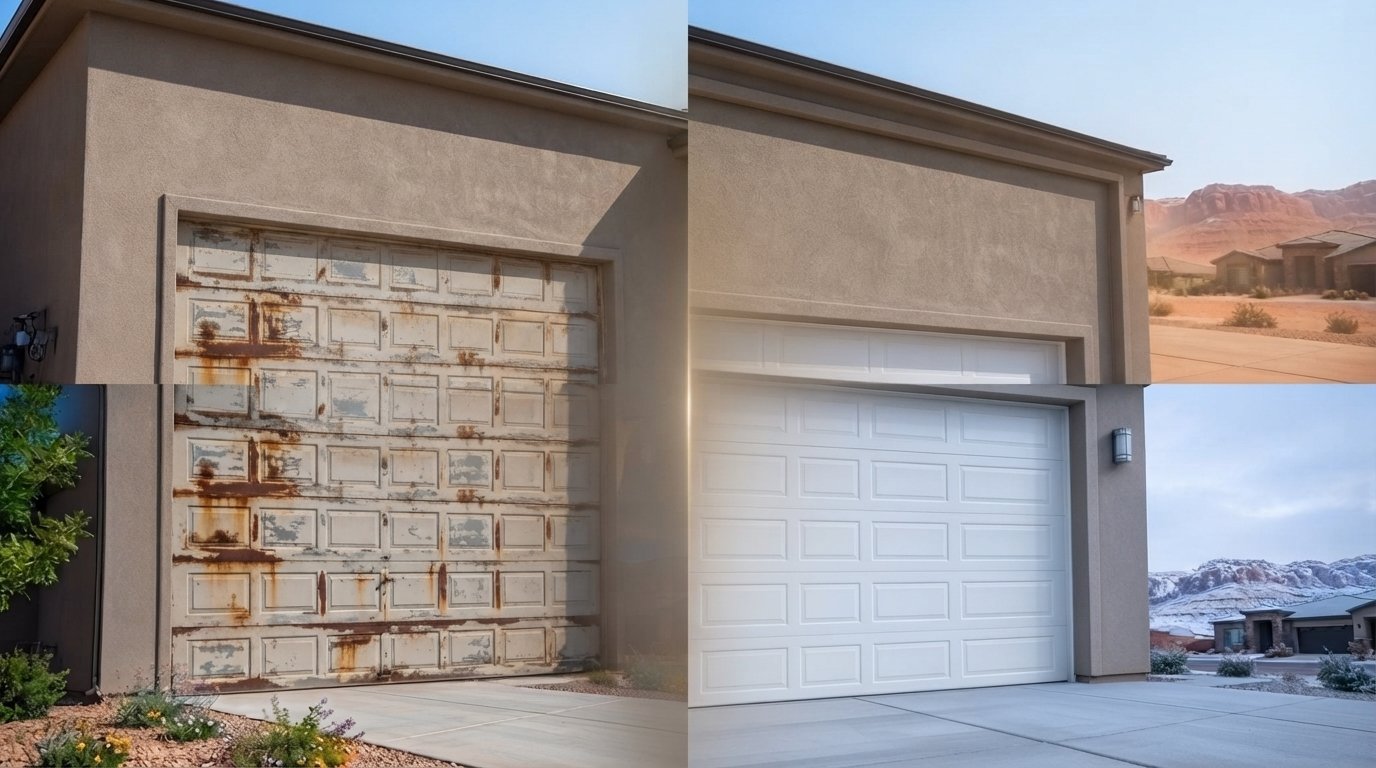
Rust, cracks, or visible damage on panels also indicate aging. In addition, if your door responds slowly or inconsistently to the opener, internal components may be failing.
Ignoring these signs can lead to complete system failure, leaving you with urgent and expensive repair needs.
How Much Does Garage Door Replacement Cost?
The garage door replacement cost varies depending on size, material, insulation, and design features.
Basic models are more affordable, while insulated or custom-designed doors cost significantly more. Installation charges also add to the total expense, depending on labor and complexity.
While replacement may seem expensive initially, it often saves money in the long term by reducing repair costs, improving energy efficiency, and increasing home value.
It’s important to compare long-term benefits rather than focusing only on upfront pricing when making a decision.
New Garage Door Benefits You Should Know
Installing a new door offers several advantages, and the new garage door benefits go beyond appearance.
Modern garage doors provide improved safety features, including better sensors and locking systems. They are also more energy-efficient, especially insulated models that help regulate indoor temperature.
Another major benefit is reduced maintenance. New systems are designed with improved materials that require fewer repairs over time.
A new garage door also enhances curb appeal, which can increase property value significantly. For homeowners planning to sell in the future, this upgrade can offer a strong return on investment.
Repair vs Replacement: Making the Right Choice
Choosing between repair and replacement depends on the condition of your door and overall cost.
If the issue is minor, such as a broken spring or sensor misalignment, repair is usually sufficient. However, if multiple components are failing or the system is outdated, replacement becomes the better option.
A good rule of thumb is to consider age, repair frequency, and total maintenance cost over the past few years. If repairs are becoming frequent, replacement is often more practical and safer.
How to Extend the Life of Your Garage Door
Proper care can significantly extend the life of your system.
Regular maintenance is the most important factor. This includes lubricating moving parts, tightening loose hardware, and checking alignment. Keeping tracks clean and free from debris also improves performance.
Scheduling professional inspections at least once a year helps identify small issues before they become major problems. Avoiding excessive force or ignoring unusual sounds can also prevent unnecessary damage.
With consistent care, even older systems can last several additional years beyond average expectations.
Conclusion
A garage door is a long-term investment, but like any mechanical system, it has a limited lifespan. Understanding how long it lasts and recognizing early warning signs can save you from unexpected failures and costly repairs.
By paying attention to performance changes, maintenance habits, and overall condition, homeowners can make smarter decisions about repair or replacement.
Ultimately, upgrading at the right time not only improves safety and efficiency but also enhances the overall value and comfort of your home.
Schedule a Garage Door Inspection Today
Frequently Asked Questions (FAQs)
How many years does a garage door usually last?
Most garage doors last between 15 to 30 years depending on usage and maintenance.
What is the most common reason for replacement?
Wear and tear over time, especially in springs, panels, and opener systems.
Can I replace just one part instead of the whole door?
Yes, but if multiple components are failing, full replacement is usually better.
Is it worth upgrading to a modern garage door?
Yes, modern doors offer better safety, insulation, and durability.
How often should garage doors be serviced?
At least once a year for professional inspection and maintenance.
